


Ethiopian Culture and Traditions You Should Experience
Ethiopia is not only known for its breathtaking landscapes and ancient historical sites but also for its rich cultural heritage and vibrant traditions. With more than 80 ethnic groups, hundreds of local customs, and centuries-old practices that are still part of daily life, Ethiopia offers travelers a truly immersive cultural journey.
For visitors exploring the country with Grace Ethio Tour, experiencing Ethiopia goes far beyond sightseeing. It means connecting with local communities, learning about traditions passed down through generations, and discovering the cultural heartbeat of the Land of Origins.
This guide highlights some of the most meaningful cultural traditions that every traveler should experience while visiting Ethiopia.
The Traditional Ethiopian Coffee Ceremony
One of the most important cultural experiences in Ethiopia is the traditional coffee ceremony, which represents hospitality, friendship, and community.
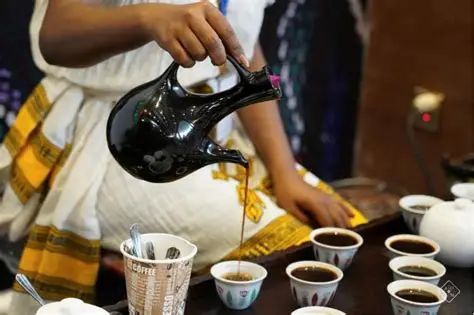


Coffee originated in Ethiopia, and the ceremony reflects the deep cultural significance of the drink. The process includes roasting fresh coffee beans over a charcoal fire, grinding them by hand, and brewing them in a traditional clay pot called a Jebena.
Visitors are invited to sit together as the host pours the coffee into small cups and shares stories or conversation. The ceremony often includes three rounds of coffee, symbolizing respect, blessing, and friendship.
For travelers, participating in a coffee ceremony offers a warm and authentic introduction to Ethiopian culture.
Religious Festivals and Spiritual Traditions
Ethiopia is home to some of the world’s oldest Christian and Islamic traditions, and religious festivals are celebrated with great passion and devotion.
Some of the most remarkable celebrations include:
-> Timkat (Epiphany Festival)
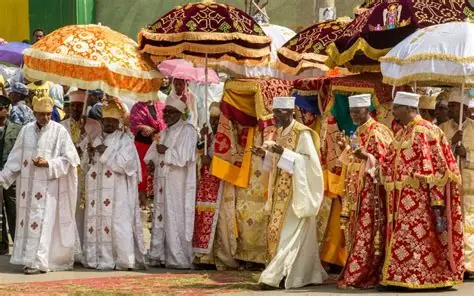
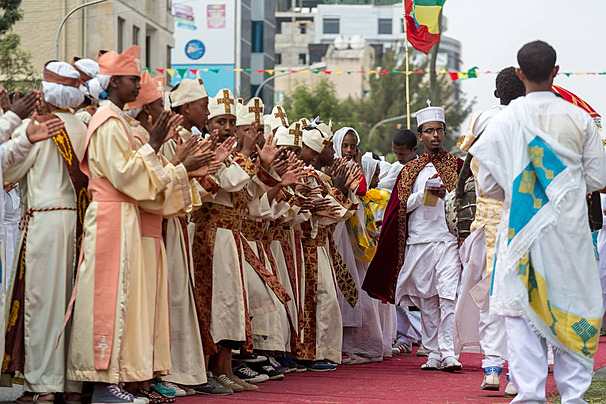
Timkat is one of Ethiopia’s most colorful and important religious festivals. Celebrated in January, it commemorates the baptism of Jesus Christ.
Priests carry sacred replicas of the Ark of the Covenant in vibrant processions, while thousands of worshippers gather in traditional white clothing to celebrate with music, prayer, and water blessings.
-> Meskel Festival
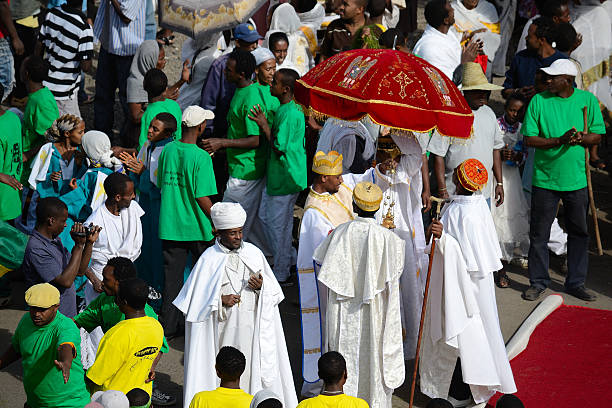


Meskel is celebrated in September and marks the discovery of the True Cross. The highlight of the festival is the lighting of large bonfires called Demera, symbolizing light and faith.
Travelers visiting during these festivals experience an incredible display of Ethiopian spirituality and community.
Ethiopian Cuisine and Culinary Traditions
Food plays a central role in Ethiopian culture, and sharing meals is an important social tradition.

The most famous Ethiopian dish is injera, a soft, sourdough flatbread made from teff flour. Injera is served with a variety of flavorful stews known as wot, including lentils, vegetables, and spicy meat dishes.
Meals are typically shared from a large plate, and eating with your hands is part of the tradition. A special cultural gesture known as “gursha” involves feeding another person by hand as a sign of friendship and respect.
Exploring Ethiopian cuisine allows travelers to taste the country’s diverse regional flavors and culinary history.
Traditional Music and Dance
Music and dance are deeply embedded in Ethiopian culture and vary widely among different ethnic groups.
Traditional Ethiopian music often features unique rhythms and instruments such as:
- Krar – A traditional Ethiopian lyre
- Masenqo – A one-string bowed instrument
- Kebero – Large ceremonial drums used in religious and cultural events
Ethiopian dances are energetic and expressive, often featuring distinctive shoulder movements known as Eskista.
Visitors can enjoy traditional performances in cultural restaurants or during festivals, providing a lively glimpse into Ethiopian artistic expression.
Indigenous Tribes of the Omo Valley
One of Ethiopia’s most fascinating cultural regions is the Omo Valley, located in the southern part of the country. The area is home to numerous indigenous tribes that have preserved unique lifestyles and traditions.
Some of the most well-known tribes include:
- Mursi – Known for lip plates worn by women as a symbol of beauty and tradition
- Hamar – Famous for the bull-jumping ceremony marking a young man’s transition to adulthood
- Karo – Recognized for intricate body painting and artistic expression
Visiting these communities with experienced guides helps travelers understand their traditions respectfully while supporting local cultural preservation.
Preserving Culture Through Responsible Tourism
As tourism grows, preserving Ethiopia’s cultural heritage becomes increasingly important. Responsible travel helps protect traditions, support local communities, and maintain historical sites for future generations.
Grace Ethio Tour promotes sustainable and respectful tourism practices, ensuring that cultural experiences remain authentic while benefiting the communities that share them.
Travelers are encouraged to:
- Respect local customs and traditions
- Ask permission before photographing people
- Support local artisans and businesses
- Travel with knowledgeable local guides
These practices help create a positive cultural exchange between visitors and local communities.
Discover Ethiopia’s Living Heritage
Ethiopia’s culture is not something that exists only in museums or historical books. It is alive in everyday life — in music, food, ceremonies, festivals, and community traditions.
For travelers seeking a deeper and more meaningful experience, exploring Ethiopian culture offers a journey filled with discovery, respect, and connection.
With Grace Ethio Tour, visitors can immerse themselves in Ethiopia’s living heritage while exploring the remarkable landscapes and historic destinations that make the country truly unique.
